Introduction
In the contract food manufacturing sector, ensuring quality control is of utmost relevance. With the boosting need for contract food manufacturing in Australia, it is essential for companies to carry out ideal techniques and abide by strict criteria. This write-up will explore the numerous elements of achieving quality assurance in agreement food production, highlighting the key methods and also standards adhered to in Australia.
The Value of Contract Food Manufacturing in Australia
Contract food production plays a crucial role in the Australian food sector. It enables firms to outsource their food production to specialized suppliers, enabling them to concentrate on other elements of their organization such as marketing and also distribution. Contract food manufacturing likewise provides flexibility to businesses by enabling them to scale up or down their manufacturing based on market demands.
Contract Food Manufacturing: An Expanding Pattern in Brisbane
Brisbane, being a significant city in Australia, has observed a significant development in contract food manufacturing. This trend can be credited to the boosting variety of services opting for outsourcing their food production requirements. Contract food manufacturing in Brisbane uses numerous benefits such as cost financial savings, accessibility to specific devices and also expertise, and also conformity with strict quality standards.
Best Practices for Contract Food Manufacturing
To accomplish quality control in agreement food manufacturing, it is essential to follow best techniques that guarantee uniformity, safety, as well as performance. Several of these ideal methods include:
GMP (Great Manufacturing Practices) Compliance: Following GMP guidelines assists preserve high-grade criteria throughout the manufacturing procedure. This includes correct training of team, preserving cleanliness and also health, as well as applying durable quality assurance measures.
Food Safety and security Administration Systems: Applying a detailed Food Security Administration System (FSMS) is important for ensuring the safety of food. This consists of regular assessments, risk analysis, and also implementation of preventive measures.
Quality Control Testing: Regular testing of basic materials, in-process samples, and also completed products is necessary to recognize any discrepancies from quality criteria. This consists of screening for microbial contamination, chemical make-up, as well as sensory attributes.
Traceability and also Documentation: Maintaining precise records of all production procedures, components utilized, and product packaging materials aids guarantee traceability and also accountability. This documents additionally assists in identifying as well as addressing any quality problems that may arise.
Supplier Qualification: Performing complete evaluations of providers makes sure that they satisfy the essential quality criteria. This includes evaluating their manufacturing procedures, qualifications, as well as track record in supplying premium products.
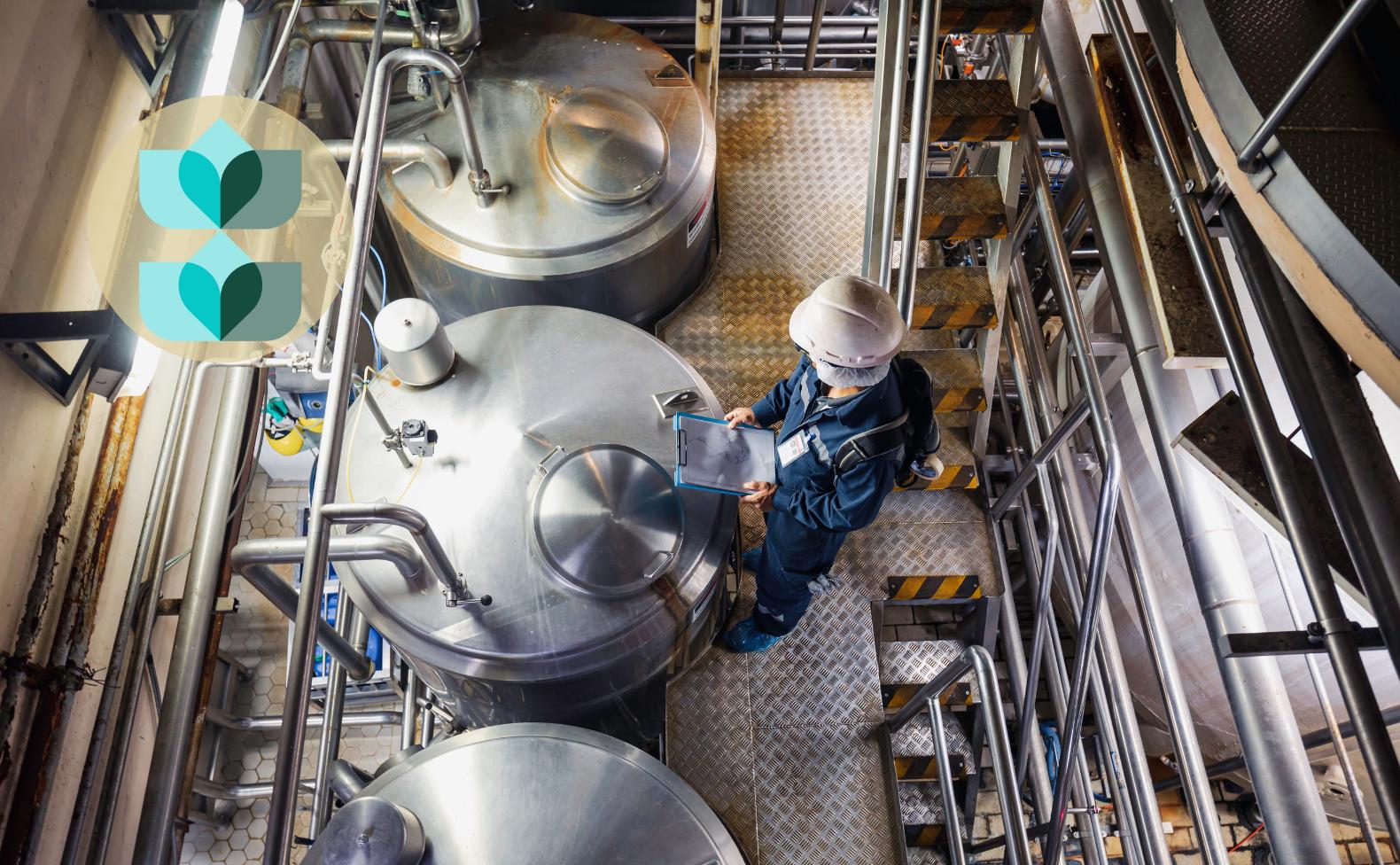
Continuous Improvement: Routinely assessing and updating processes based on comments as well as market improvements is essential for achieving constant renovation in contract food manufacturing. This entails surveillance vital performance indicators (KPIs) and executing rehabilitative activities when necessary.
Standards in Australian Contract Food Manufacturing
Australia has rigid standards and laws in place to ensure the safety as well as high quality of contract food manufacturing. Some of the crucial criteria include:
Food Criteria Code: The Food Criteria Code sets out the needs for food manufacturing, labeling, and also handling in Australia. It covers areas such as food safety, additives, labeling demands, and nutritional information.
HACCP (Risk Analysis Critical Control Point) : HACCP is a methodical method to recognizing possible threats in the production procedure and also carrying out control procedures to stop them. It is an extensively identified requirement for making certain food safety.
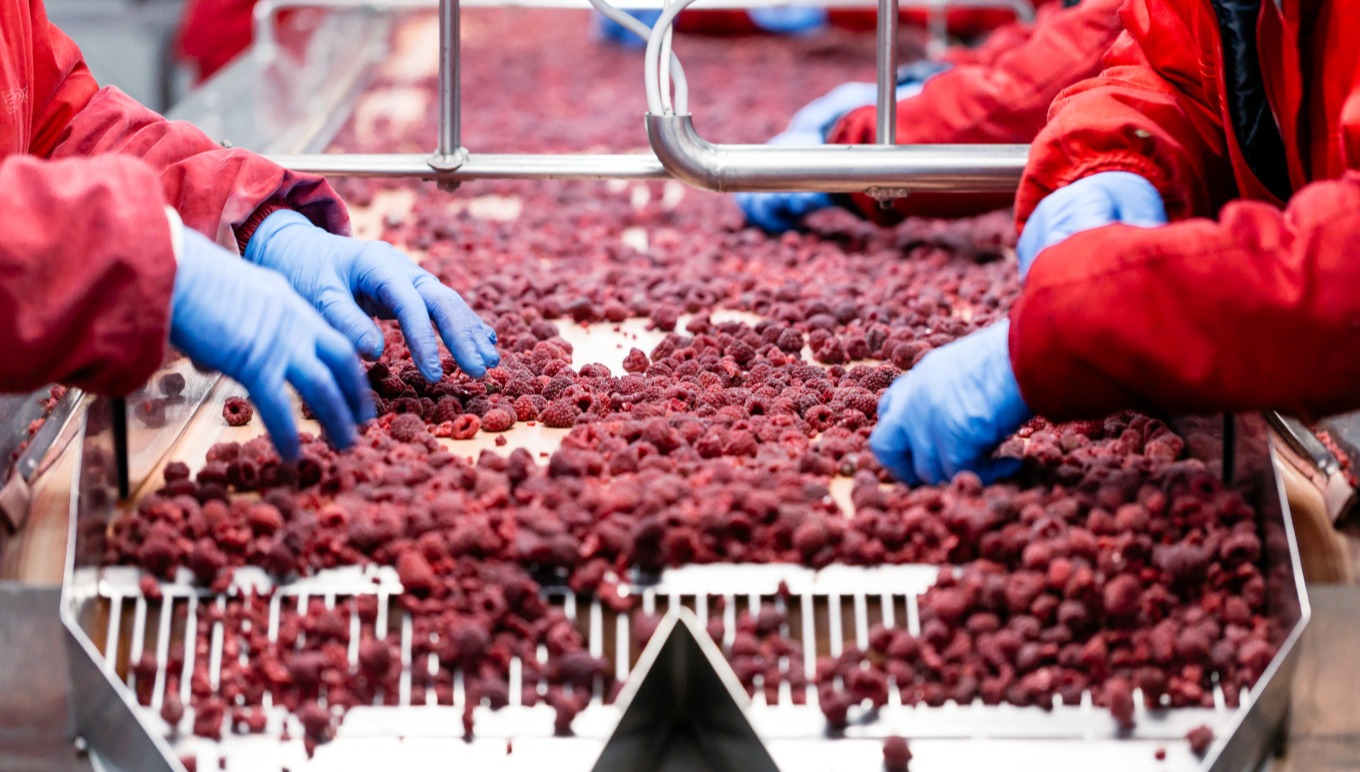
ISO 22000: ISO 22000 is a global criterion that specifies the needs for a Food Safety Monitoring System (FSMS). Complying with this basic helps companies demonstrate their dedication to food safety.
SQF (Safe High Quality Food) Certification: SQF qualification makes sure that a business's food safety administration system satisfies international standards. It offers assurance to clients that the products they receive are safe and also of high quality.
AIB International Certification: AIB International accreditation focuses on the cooking industry and also makes sure that makers satisfy particular food security as well as high quality needs. This certification is very regarded in the contract food manufacturing sector.
FAQs concerning Quality Assurance in Contract Food Production
What are the advantages of outsourcing contract food manufacturing? Outsourcing contract food manufacturing enables business to focus on core expertises, reduce prices, gain access to specialized expertise, and increase production flexibility.
How can I make certain that a contract food manufacturer meets my quality standards? It is necessary to perform comprehensive due persistance before selecting an agreement food maker. This includes assessing their qualifications, track record, quality control procedures, and client feedback.
What actions can be required to stop cross-contamination in agreement food manufacturing? Appropriate partition of production locations, specialized tools for allergen handling, as well as implementing rigorous cleaning procedures are some steps that can aid avoid cross-contamination.
What role does packaging play in making certain quality control in agreement food production? Packaging plays a critical role in protecting the quality as well as security of foodstuff. It must be designed to protect versus contamination, maintain product freshness, and provide essential information to consumers.
How often must testing be conducted in agreement food manufacturing? Examining frequency depends on different factors such as the type of product, life span, and regulatory requirements. It is advised to have a durable testing strategy that covers raw materials, in-process samples, as well as ended up products.
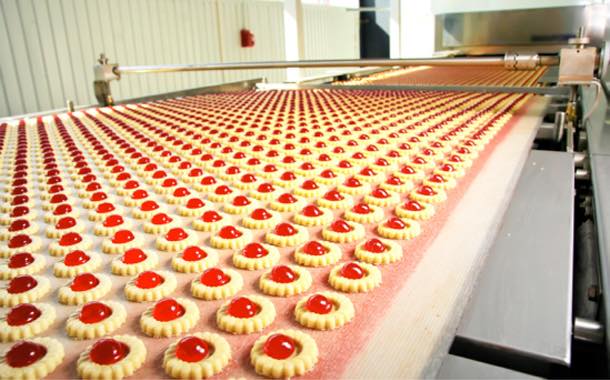
What are some common obstacles dealt with in achieving quality control in agreement food production? Typical obstacles consist of keeping uniformity throughout numerous manufacturing sites, guaranteeing conformity with altering guidelines, taking care of supply chain risks, and resolving customer-specific requirements.
Conclusion
Achieving quality assurance in agreement food manufacturing is important for organizations operating in the Australian market. By adhering to finest practices and adhering to strict requirements such as GMP compliance, executing food safety and security management systems, and carrying out routine quality assurance screening, companies can guarantee the safety and security and also quality of their products. It is likewise important to pick contract food manufacturers who meet the needed certifications as well as have a record of delivering top notch products. By prioritizing quality control, companies can construct trust with consumers and also develop a strong existence in the competitive food contract manufacturer industry.